Water Change Mechanics & Osmotic Shock Prevention
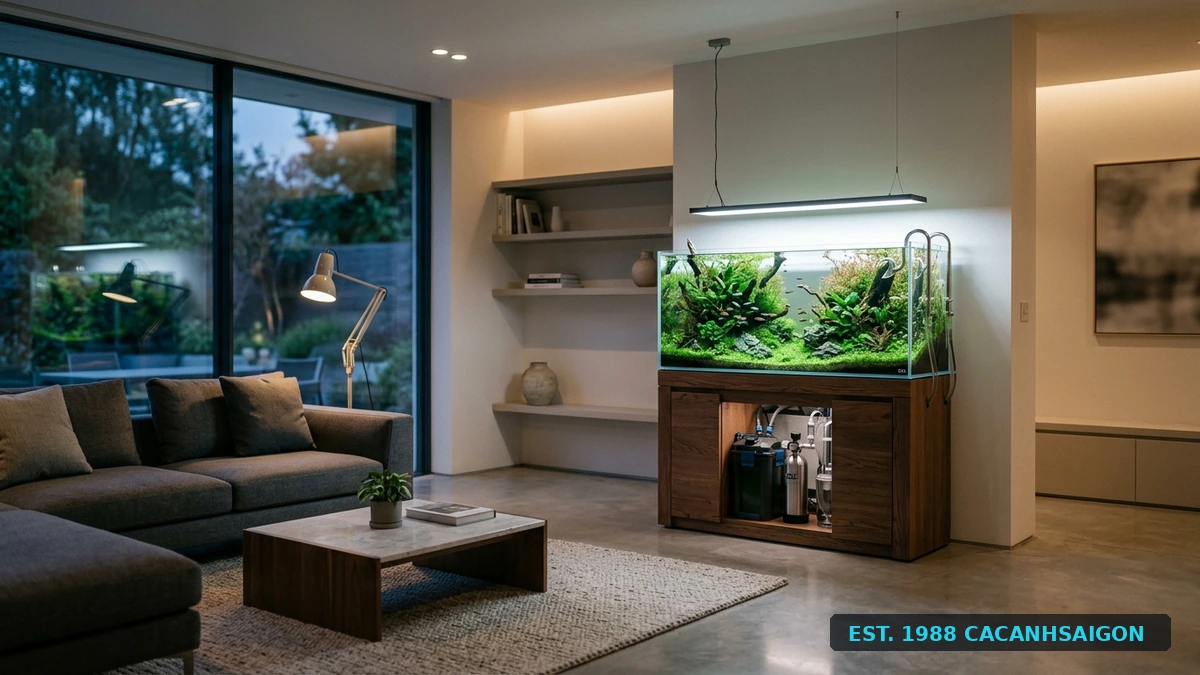
Water exchange represents both the primary vehicle for nitrogenous waste dilution and the single greatest vector for acute osmotic shock. Municipal municipal water supplies laden with toxic chloramines, altered gas saturations, and discordant temperatures induce cellular hemolysis and gill lamellar burns. Master the 30% equilibrium exchange protocol from Saigon Aquarium Lab.
1. Chloramine Toxicity & Gill Lamellar Chemical Necrosis
Free chlorine and bonded chloramines react instantaneously with the delicate epithelial membranes of fish gill lamellae, oxidizing hemoglobin into methemoglobin and destroying respiratory capacity. Furthermore, unconditioned chlorinated tap water obliterates nitrifying bio-films within the canister within minutes of contact.
2. Municipal Water Pre-Treatment: 24-Hour Degassing & Thiosulfate Neutralization
Store municipal water in dedicated reservoirs aerated vigorously for 24 hours to degas dissolved volatile chlorine. For rapid maintenance, dose advanced sodium hydroxymethanesulfonate or sodium thiosulfate conditioners to sever the chemical chloramine bond and bind liberated ammonia.
3. The 20%–30% Equilibrium Volume Rule & Trickle Inflow Delivery
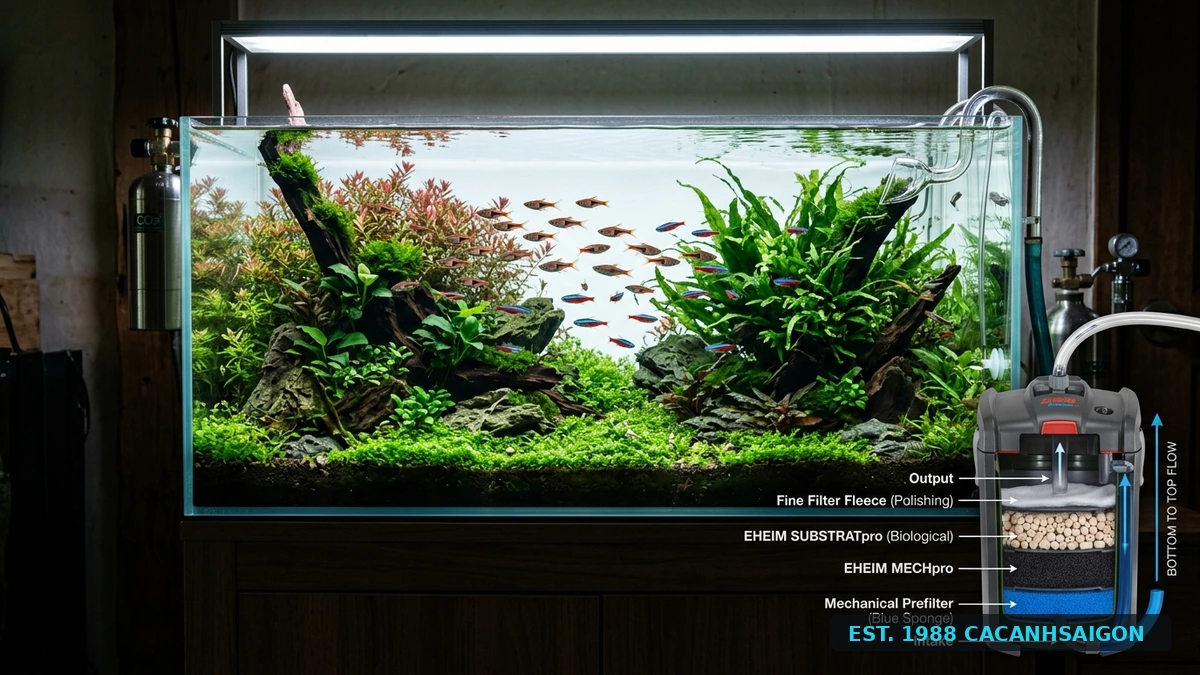
Confine weekly routine maintenance to 20% to 30% net water volume exchange. Deliver prepared replacement water via low-flow siphon tubing directed into the filter return flow, preventing localized thermal shocks and osmotic pressure fluctuations.
4. 4-Stage Precision Water Exchange Protocol Matrix
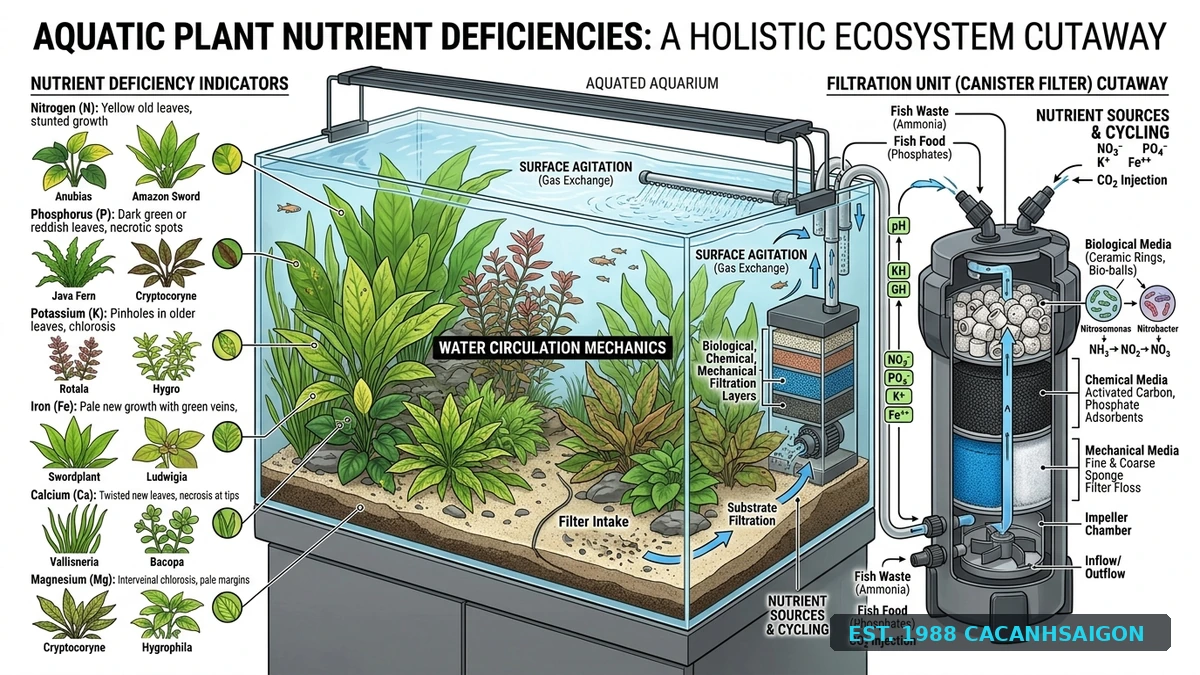
| Protocol Stage | Mandatory Technical Procedure | Apparatus Employed | Ecosystem Protection Goal |
|---|---|---|---|
| Stage 1: De-energize | Isolate heaters 15 mins prior, power down filtration | Dedicated switch panel | Prevents quartz thermal shock and pump dry-run |
| Stage 2: Benthic Siphon | Siphon detritus across unplanted zones (25% volume) | Siphon gravel vacuum with screen | Purges settled organics without disturbing aquasoil |
| Stage 3: Water Prep | Neutralize chloramines, equilibrate temp within ±1°C | Holding reservoir + digital thermometer | Guarantees zero chemical toxicity or thermal shock |
| Stage 4: Slow Infusion | Infuse fresh water gradually via flow control valve | Flow regulator or trickle tube | Sustains constant cellular osmoregulation |